New to Watercolor Pencils?
Here's Everything You Need to Know to Get Started
Welcome to the vibrant and versatile world of watercolor pencils, a medium that marries the precision of drawing with the fluidity of painting!
Whether you're a seasoned artist or just beginning your creative journey, this comprehensive guide is designed to provide the basics along with links to pages that cover each topic in more detail.
From selecting your equipment to exploring the dual nature of these pencils, both dry and wet, learning about lightfastness, and make informed choices about paper selection.
Let's begin this colorful adventure.
Understanding Dry Watercolor Pencils
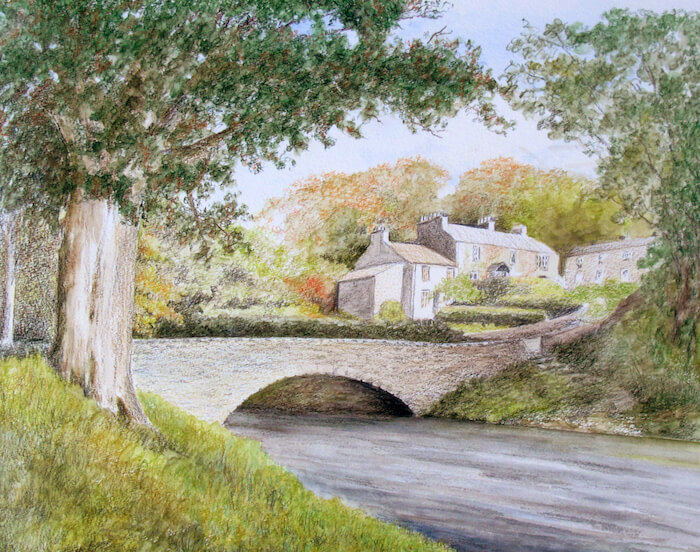
Watercolor pencils are unique artistic tools that bridge the gap between drawing and painting, combining the best of both worlds.
Just because they have water in their name doesn't mean you HAVE to disolve the pigment after drawing with them. You can use traditional wax pencil techniques and strokes such as cross hatching and scumbling to good effect.
Perhaps begin by mastering the gradient scale. This fundamental skill will serve as the foundation for all your pencil techniques.
Start with a very light touch at one end of your paper, gradually increase the pressure as you move along to the other end. This will let you see the range of each color's intensity when used dry.
The water-soluble binder results in a unique, drier feel compared to wax-based pencils, sometimes influencing the handling of different colors within the same brand, so keep this in mind.
Moving on to Wet Watercolor Pencil Techniques
The real magic of watercolor pencils happens when you add water.
Revisit the gradient scale and introduce water to see to witness the transformation from pencil to paint.
By gently brushing water over your drawn lines or colored areas, you can transform your dry sketches into lush, watercolor paintings.
The key is to use a light hand when applying water, as too much can cause the colors to bleed or become muddy.
With a bit of practice, you'll master the art of using watercolor pencils both dry and wet, discovering a world of creative possibilities.
Test Your Pencils and Compare Brands
Before beginning your watercolor pencils project, it's a wise idea to test your colors on scrap watercolor paper first. This simple step can provide you with valuable insights, as the results can vary significantly depending on the brand you're using.
Some brands may produce soft, subtle hues, while others can yield vivid, eye-catching colors. By testing different brands, you can find the one that best suits your artistic style and preferences.
Additionally, testing your colors in advance will also give you a sense of how well the pigment disperses once water is added. This is an essential aspect of of using these pencils, as the way the pigment spreads can dramatically affect the final outcome of your artwork.
By understanding how your chosen watercolor pencils interact with water, you can better predict and control the results, leading to more satisfying and predictable outcomes.
Remember, there's nothing quite like first-hand experience when it comes to understanding your materials. So, take a few moments to test the water interactions before you start your main project. This small investment of time can yield significant benefits in terms of your artistic control and satisfaction with the final result.
What is Lightfastness?
Lightfastness might be a new term for you, but it's a critical aspect of ensuring the longevity of your artwork. It refers to the resistance of pigments to fading when exposed to light, particularly ultraviolet light. This is especially important for watercolor pencils, as they are often used in bright, vivid colors that can lose their intensity over time if not lightfast.
When selecting your pencils, you'll want to look for those that have a high lightfastness rating. This rating is usually indicated on the packaging or in the product description, often using a scale of 1-5 or 1-8, with 1 being the least lightfast and 5 or 8 being the most.
By choosing watercolor pencils with a high lightfastness rating, you can create art that remains vibrant and true to color for years to come. This is particularly important if you're creating art for display or sale, as you'll want your work to maintain its beauty and integrity over time.
In summary, while lightfastness might seem like a technical term, it's a key factor in the longevity and quality of your watercolor pencil art. By understanding and considering it, you can ensure that your artwork remains as vibrant and beautiful as the day you created it.
Understand Color Shift
When working with watercolor pencils, it's important to understand that the colors can change in tint and intensity once they come into contact with water.
This shift is due to the unique properties of watercolor pigments, which can behave differently when diluted or mixed with other colors.
Creating a color chart for a new set of pencils can be a useful exercise, as it allows you to anticipate these color shifts and understand which pigments are transparent or opaque. This chart serves as a valuable reference, even for experienced artists, as it provides a visual guide to the range of colors that can be achieved with each pencil.
One particular brand that may surprise you is Derwent Inktense. These pencils are unique in that they contain ink rather than watercolor pigment. The dry colors often bear little resemblance to the end result. This difference can lead to unexpected changes in your artwork if you're not aware of it.
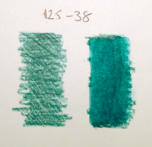 Staedtler 125- 38 Sea Green - little change on adding water
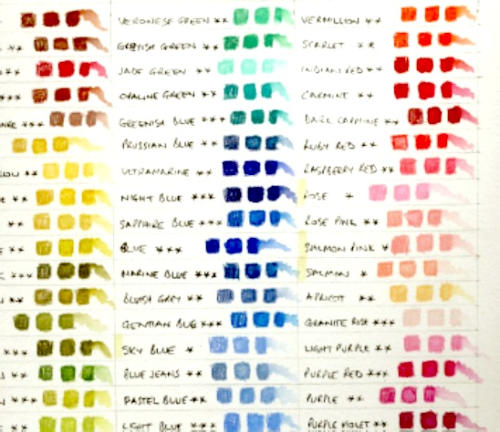 chart for Caran d’Ache Supracolor Aquarelles
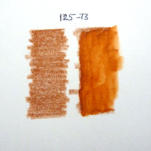 Staedtler Karat no 125 - 73 Burnt Sienna - becomes a rich orange!
How to Choose Paper
Choosing the right paper is as important as selecting the right pencils. The texture, weight, and quality of the paper can significantly impact the final outcome of your art.
Watercolor papers are designed to withstand the application of water, which is a key aspect of using these pencils.
There are two main types of watercolor paper: hot pressed and cold pressed (also known as not pressed).
Hot pressed paper has a smooth surface, which is ideal for detailed work and fine lines. This type of paper is often preferred by artists who want to create intricate designs or illustrations such as botanical art.
On the other hand, cold pressed paper has a more textured surface. This texture can create interesting effects when used with watercolor pencils, as the water can pool in the indentations, creating a unique and varied look. Cold pressed paper is often chosen by artists who want a more organic or natural look to their work.
Preparing your surface
Proper preparation of your paper is a step that should never be overlooked. It's the key to preventing warping and maintaining the integrity of your work as you apply water.
Before you begin, stretch your watercolor paper to minimize warping. To do this, soak the paper in water for several minutes until it becomes pliable. Then, place the paper onto a piece of board or glass, and secure it in place using masking tape or a specialized paper stretcher. Allow the paper to dry completely before proceeding.
Head to our page on stretching watercolor paper for detailed instructions.
Experiment!
To get you started, we've curated a series of tutorials that showcase a variety of techniques and styles. From creating delicate washes to bold, expressive strokes, you'll find a wealth of inspiration and guidance to help you develop your own unique artistic voice.
Remember, every artist's journey is unique, and the path to mastery is paved with trials, errors, and discoveries. So, grab your watercolor pencils, dive into our tutorials, and let the exploration begin!
A good starting place is our pair of pears sketch, or the Scottish hillside scene.
You might like these
How to Use Watercolor Pencils: A Beginner's Guide to the Medium
How to use watercolor pencils: why this versatile medium should be in every artist's toolkit

- Home
- Watercolor Pencils
Would you like our occasional newsletter?
Home | About Us | Contact Us | Privacy Policy
Copyright Peter Weatherill and Carol Leather - 2009-2024